
Paint usually gets treated like a quick decision—pick a shade, get it done, move on.
Then a few weeks later, something feels off.
You don’t sit in the living room as much. The bedroom doesn’t feel properly relaxing. The space looks fine in photos, but in real life it feels slightly uncomfortable for no clear reason.
That almost always comes back to the walls.
Wall colour isn’t just visual. It controls how light behaves, how open or closed a room feels, and how comfortable you are spending time there every single day.
What Wall Colour Actually Changes Inside a Home
Three things, consistently:
1. Light Behaviour
Every colour either reflects light or absorbs it. That changes how bright, soft, or harsh a room feels from morning to night.
2. Sense of Space
Some colours make walls feel closer. Others push them outward. The size of the room doesn’t change—but your experience of it does.
3. Everyday Comfort
Not in a dramatic way. Subtle, but constant. Some rooms feel easy to sit in. Others make you restless without knowing why.
Why White Walls Don’t Always Feel Right
White is usually the default choice. It feels safe.
But plain white walls depend heavily on everything else in the room.
When paired with:
- warm lighting
- wood textures
- soft fabrics
they can feel clean and calm.
Without that support, they often feel:
- too bright during the day
- flat in the evening
- slightly unfinished overall
That’s why many white rooms end up needing more decor but still don’t feel complete.
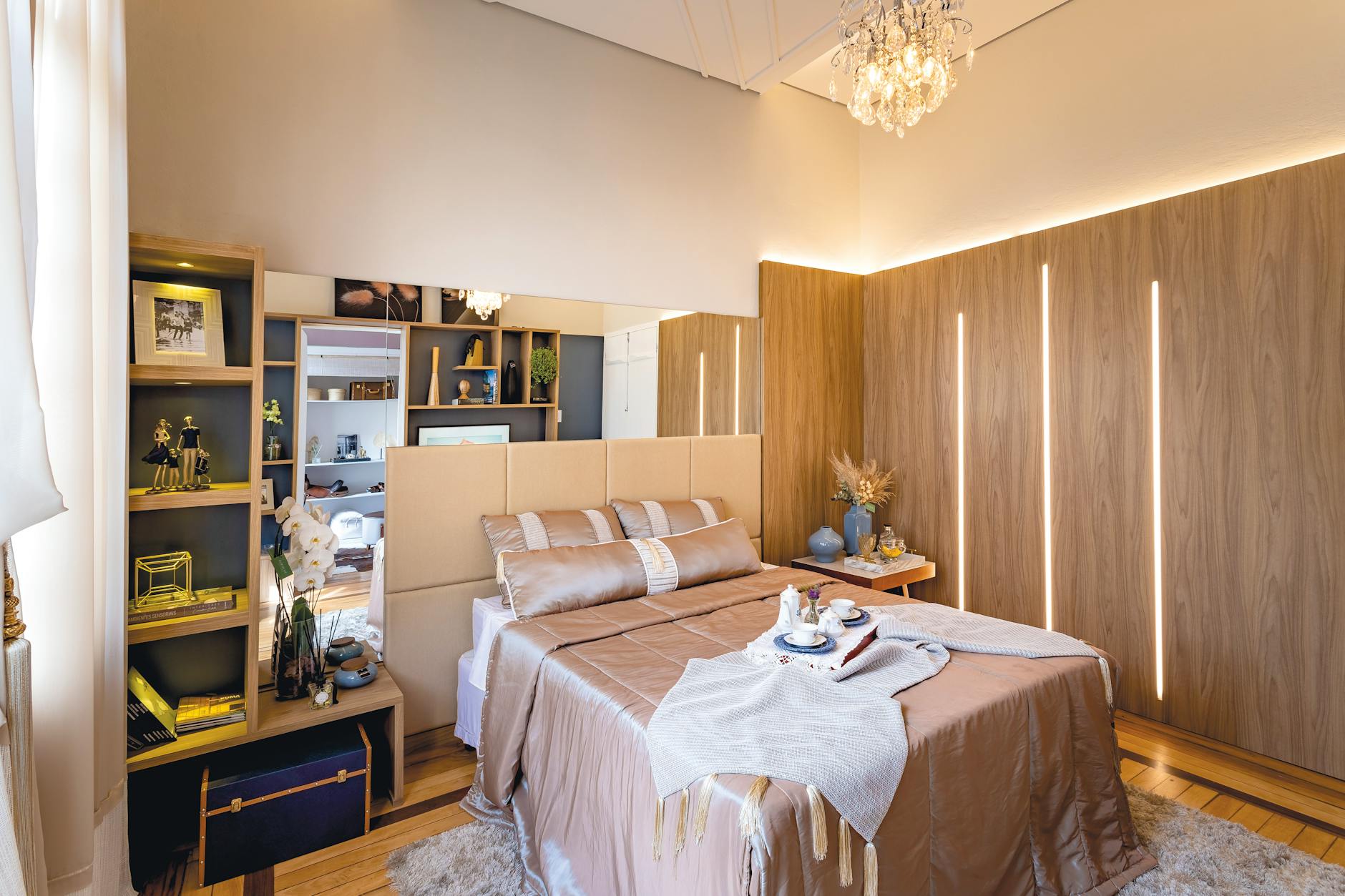
Warm Neutrals Make a Home Feel Settled
Beige, off-white, and soft earthy tones don’t stand out on a paint card—but they work extremely well in real spaces.
They:
- soften harsh lighting
- blend better with furniture
- make a room feel lived-in from the start
If a space feels cold or disconnected, switching to a warmer neutral usually fixes more than adding decor ever will.
Grey Walls: Clean Look, But Easy to Get Wrong
Grey became popular because it looks modern and minimal.
The issue is how it’s used.
Cool greys combined with white lighting and glossy surfaces often make a room feel flat or lifeless.
Grey works better when balanced with:
- warm lighting
- wood elements
- softer textures
Without that balance, it can feel more like a setup than a comfortable home.
Dark Colours Change How You Use a Room
Deep shades like green, navy, or charcoal don’t just look different—they change how a room behaves.
They:
- reduce visual noise
- make the space feel quieter
- create a sense of enclosure
That’s why they work well in:
- bedrooms
- reading corners
- TV rooms
But they need:
- proper lighting
- some contrast so the room doesn’t feel too heavy
Done right, dark walls feel calm. Done poorly, they feel closed in.
Bedroom Colours and Sleep Quality
A bedroom that’s too bright or high-contrast keeps your mind slightly active.
You may not notice it directly, but it affects how quickly you relax.
Bedrooms tend to work better with:
- muted tones
- softer colours
- low contrast between walls and furniture
That’s why hotel rooms rarely use stark white or loud shades—they’re designed to slow things down.
Small Rooms vs Large Rooms
Wall colour becomes more noticeable depending on the size of the space.
In smaller rooms:
- lighter or warmer tones help prevent a boxed-in feeling
- dark colours can still work, but lighting becomes more important
In larger rooms:
- slightly deeper tones can make the space feel more grounded
- too much white can make it feel empty or unfinished
So it’s not just about going light or dark—it’s about balance.
One Common Mistake to Avoid
Choosing paint under store lighting.
Colours look completely different:
- in daylight
- under warm bulbs at night
- in shadows
Always test a patch on your wall and live with it for a couple of days. What looks perfect in a store can feel very different at home.
How to Choose the Right Wall Colour for Your Space
Instead of focusing only on what looks good, think about how you want the room to feel.
- For a calm space → warm neutrals or muted tones
- For depth and focus → darker shades with good lighting
- For brightness → soft whites, not harsh white
Also, avoid making every room identical. Slight variation makes a home feel more natural and less staged.
What It Comes Down To
Wall colour isn’t decoration—it’s atmosphere.
You can change furniture, rearrange decor, upgrade lighting—but if the wall colour is working against the space, it never fully comes together.
Get the walls right, and everything else starts to make more sense without much effort.
Discover more from Deepak Offline
Subscribe to get the latest posts sent to your email.