
A few years ago, if you had asked me what made a good trip, I probably would have given you a very predictable answer.
More places.
More sightseeing.
More photographs.
More activities.
Basically, more of everything.
Somewhere along the way, I started changing my mind.
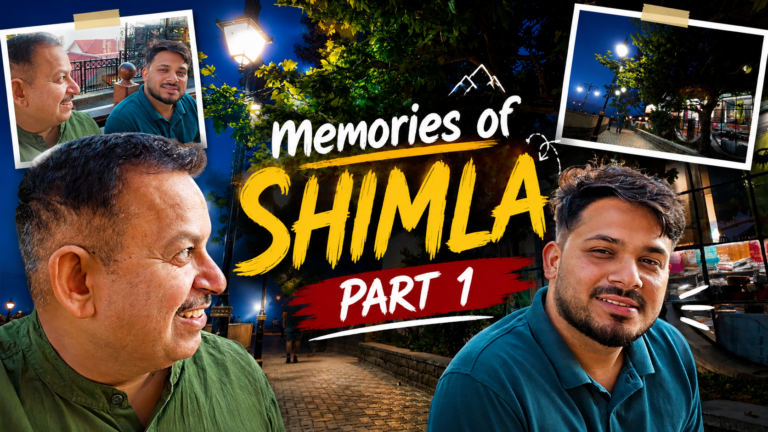
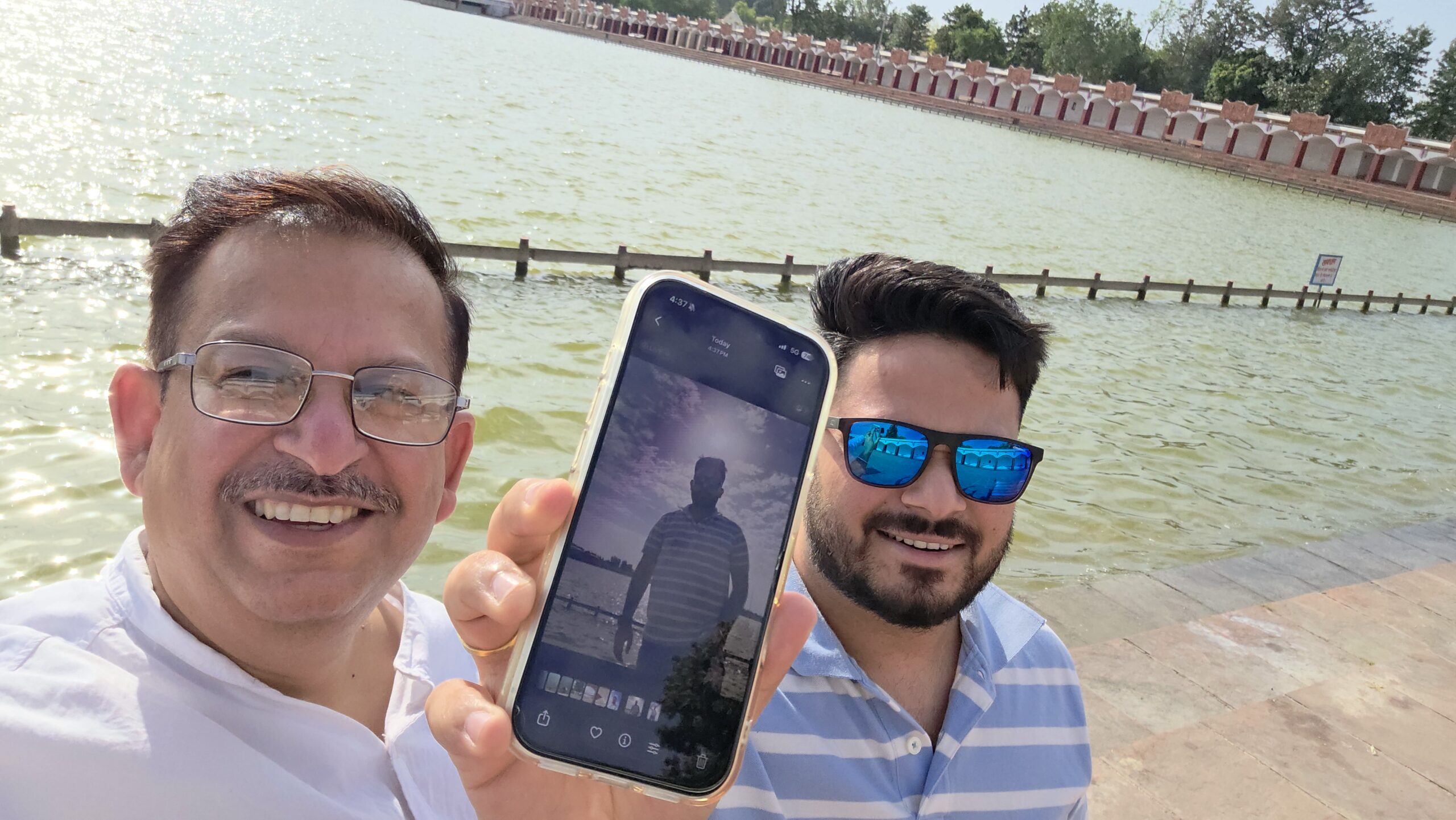
And my recent trips to Shimla and Kurukshetra reminded me why.
The funny thing is that neither trip was extraordinary. There wasn’t a dramatic adventure. I didn’t climb a mountain. I didn’t discover some hidden destination that nobody knows about. I didn’t come back with hundreds of photographs or a long list of tourist attractions that everyone should visit.
What I brought back was something much simpler.
A reminder that I enjoy traveling far more when I stop trying to turn every trip into a checklist.
I think my Bolero Neo deserves some credit for that.
I bought the 2026 Bolero Neo N10 because I wanted a practical vehicle. Something comfortable enough for longer drives and capable enough to handle different kinds of roads without making every journey feel like work.
What I didn’t expect was that the vehicle itself would start changing the way I travel.
Road trips feel different when you actually enjoy driving.
You stop focusing entirely on the destination.
The journey becomes part of the experience.
And that’s exactly what happened during my recent trips.
The drive to Shimla always does something to me.
Maybe it’s the gradual change in scenery.
Maybe it’s the mountain roads.
Maybe it’s the way the air starts feeling different as you move higher.
Or maybe it’s simply because mountains force you to slow down whether you want to or not.
You can’t rush through them.
Well, technically, you can.
But you’ll miss everything that makes them special.
I think that’s one of the reasons I keep returning to places like Shimla.
Not because I haven’t seen enough.
But because I’ve finally learned that seeing everything isn’t the point.
I remember looking out at the hills during one of my recent trips and realizing that I wasn’t thinking about work.
I wasn’t checking notifications.
I wasn’t worrying about deadlines.
I was just there.
Completely present.
And honestly, that’s becoming increasingly rare.
A 2025 report from the consulting firm McKinsey & Company suggested that travelers are increasingly prioritizing meaningful experiences over traditional sightseeing. That’s not surprising to me.
I think people are becoming tired.
Not physically.
Mentally.
Everything moves so quickly now.
We consume information faster.
We work faster.
We communicate faster.
And somehow, we also started traveling faster.
Visit more places.
Create more content.
Upload more photographs.
Move on to the next destination.
Repeat.
But mountains don’t operate at that speed.
You sit for a while.
You look around.
You breathe.
You slow down.
And then something interesting happens.
You start noticing things you would normally ignore.
The shape of old buildings.
The sound of birds.
The changing light in the late afternoon.
The small cafés hidden along a road.
The houses built into hillsides.
The plants growing in unexpected places.
The world suddenly becomes more detailed.
And I think details are where travel becomes memorable.
My trip to Kurukshetra was completely different.
Different landscape.
Different atmosphere.
Different purpose.
And that’s exactly why I think it reinforced the same lesson.
Kurukshetra isn’t a destination that overwhelms you with dramatic scenery.
Instead, it encourages reflection.
Whether you’re interested in history, spirituality, culture, or simply understanding why a place matters to millions of people, it’s difficult to walk through Kurukshetra without thinking about time.
Thousands of years.
Generations of stories.
Historical events.
Religious significance.
Layers upon layers of human experience.
According to the official tourism information provided by the government of Haryana, Kurukshetra remains one of India’s most historically and culturally important destinations, attracting visitors from across the country and around the world.
But what stayed with me wasn’t a monument.
It wasn’t a specific location.
It was the feeling.
And that’s something I think we’ve forgotten.
Travel isn’t always about what you see.
Sometimes it’s about what you feel.
I think we’ve become obsessed with documenting experiences instead of experiencing them.
I’ll admit it.
I’ve done it myself.
You arrive somewhere beautiful.
What’s the first thing you do?
You pull out your phone.
You take a photograph.
Then another.
Then another.
And before you realize it, you’ve spent ten minutes trying to capture a moment instead of actually living it.
I’m not criticizing anyone.
I still take photographs.
I still enjoy looking back at them.
But I’ve started taking fewer pictures.
Not because photographs aren’t important.
Because memories don’t always need proof.
One of my favorite travel memories from Shimla isn’t even a photograph.
It’s a drive.
That’s it.
Just a drive.
The road.
The changing weather.
The mountains appearing and disappearing around corners.
The quiet.
And my Bolero Neo steadily moving forward.
No famous landmark.
No tourist attraction.
No social media post.
Just a simple moment that somehow became memorable.
I’ve started paying more attention to drives recently.
Maybe that’s because I’ve begun enjoying road travel more than I used to.
There’s something incredibly satisfying about packing your bags, getting into your vehicle, turning the key, and knowing that the next few hours belong entirely to you.
No meetings.
No responsibilities.
No schedule.
Just the road.
I also think road trips create a stronger connection with places.
Air travel is efficient.
But road travel allows you to experience the transition.
You watch landscapes change.
Cities slowly become towns.
Towns become countryside.
Flat roads become winding roads.
You experience distance differently.
And I think that’s important.
Especially today.
Research published in the Journal of Travel Research has repeatedly shown that many travelers now prioritize authentic and meaningful experiences over traditional tourism models.
Again, that doesn’t surprise me.
Because I think authenticity is exactly what people are searching for.
Not perfection.
Not luxury.
Not status.
Just authenticity.
My travel philosophy looks very different now than it did a few years ago.
I don’t feel pressured to visit every attraction.
I don’t feel obligated to follow somebody else’s itinerary.
I don’t need to prove that I traveled.
And honestly, that’s made travel much more enjoyable.
I stop more often.
I sit longer.
I walk without a destination.
I spend more time observing.
And sometimes, I do absolutely nothing.
Which might actually be the most valuable part of the entire experience.
The strange thing is that these trips don’t just change the way I travel.
They also change the way I return home.
I come back with new ideas.
Sometimes it’s a gardening idea.
Sometimes it’s a home decor idea.
Sometimes it’s a simple observation about how people organize their spaces.
Travel has a way of following me home.
And maybe that’s why I enjoy it so much.
I don’t think I’ll ever stop liking places like Shimla.
And I don’t think I’ll ever stop appreciating places like Kurukshetra either.
Two completely different destinations.
Two completely different experiences.
Yet both reminded me of exactly the same thing.
Slow down.
Drive a little longer.
Sit a little longer.
Look around a little more.
Because the best parts of travel usually aren’t hiding behind a famous landmark.
They’re often sitting quietly beside you while you’re too busy trying to reach the next destination.
At least that’s what my recent road trips taught me.
And I have a feeling I’ll be packing the Bolero again very soon.
Discover more from Deepak Offline
Subscribe to get the latest posts sent to your email.